The battle that ended Hitler’s faith in paratroopers
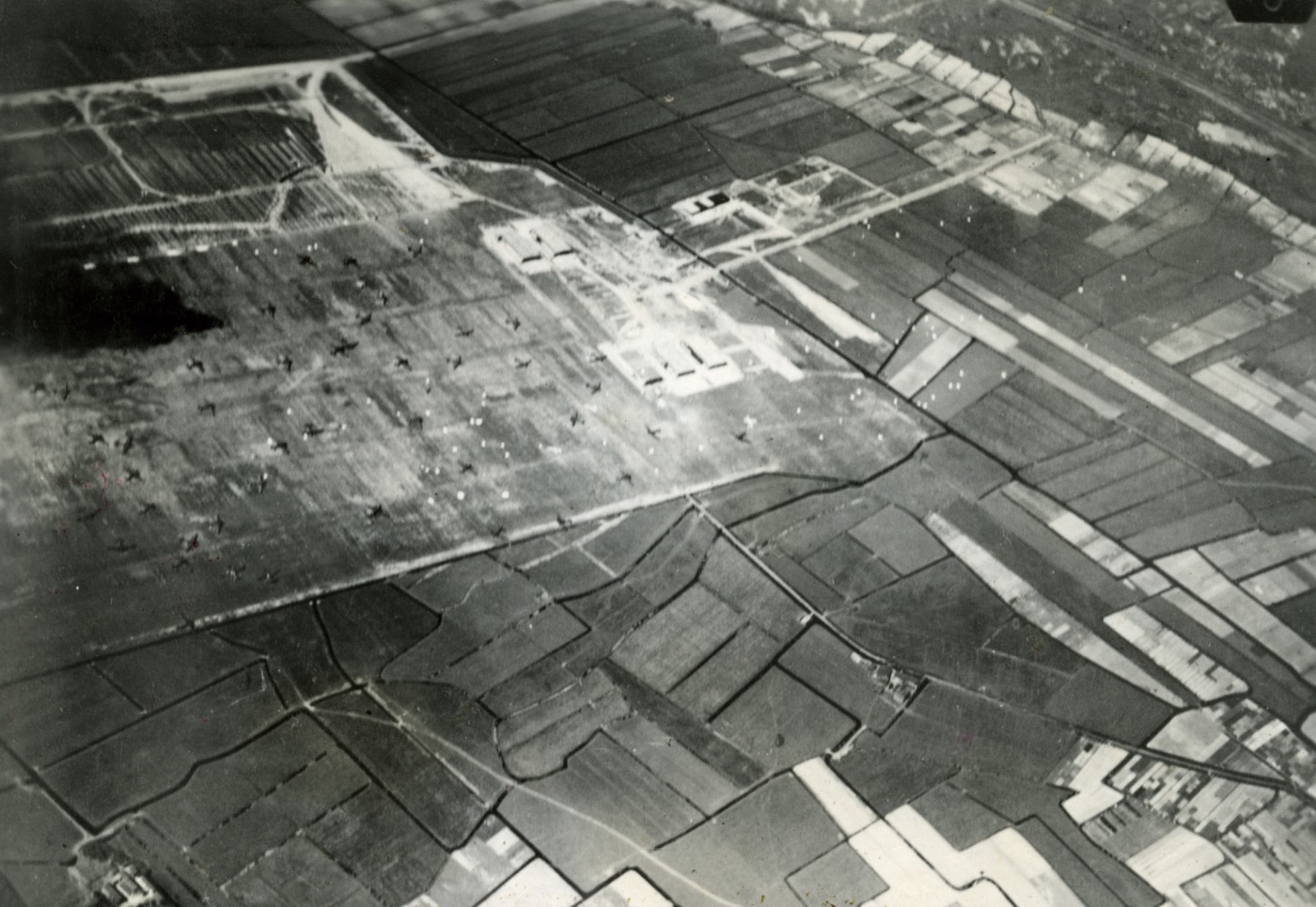
The German plan for 10 May 1940 was simple on paper: land paratroopers and airlanding infantry directly on the three airfields ringing The Hague — Ypenburg, Valkenburg, Ockenburg — seize the capital within hours, capture Queen Wilhelmina and the Dutch government, and end Dutch resistance before it properly started. It was also the largest airborne operation attempted in the war to that point — bigger than the German airfield seizures in Norway exactly a month earlier — and the first time paratroopers and airlanding infantry had been thrown at a fully mobilized, alerted defender rather than a surprised one.
It didn't work, not cleanly. The Queen and her government were never captured. Dutch ground forces — regular infantry, not an elite unit built for this specific threat, because no such unit existed yet anywhere in the world — counterattacked hard enough at Ypenburg to retake ground overlooking the airfield and shell the German-held field itself, and held the Germans to a costly, incomplete foothold at Valkenburg and Ockenburg. None of the three airfields ended the battle back in full Dutch hands. The airborne assault that was supposed to decide the war's opening hours instead became exactly that: a costly, only partially successful gamble, for both sides.
The Hague didn't kill the doctrine of large-scale airborne assault outright. I'd call it the first, and usually skipped, chapter of why the doctrine died at all.
That last point is the one usually missing from the popular telling. The Netherlands isn't just a footnote on the way to the "real" war in France and the Battle of Britain — the German transport losses over these three airfields were bad enough, this early, to plant real doubt in German planning about large-scale airborne assault. It took one more, much larger and costlier operation to actually finish the argument: Crete, a year later, where Fallschirmjäger casualties ran an order of magnitude higher, and after which Hitler lost interest in large-scale airborne operations for the rest of the war.
Germany still won the war days later regardless, and nothing here erases what airborne assault achieved elsewhere before Crete finished the argument. The Battle for The Hague isn't a story about the Netherlands winning the war — it's a story about one unrepeated military experiment, and about a Dutch defense that, however briefly, helped write the first paragraph of why the rest of World War II's airborne warfare would look nothing like its opening day.
dutch_army_organizational_timeline.md, "May 1940" section.